
What This Summer School Is About
This workshop provides a general introduction and guided practice for creating digital scholarly editions using the community-standard eXtensible Markup Language (XML).
We will begin with a general introduction to digital scholarly editions, focusing on XML and the data model for textual resources provided by the Text Encoding Initiative (TEI) P5 standard and community standards, such as EpiDoc for textual sources of Classical Antiquity, among others.
We will demonstrate how editions created with MS Word or other word processors can be automatically transformed into valid XML TEI P5 files and further enhanced.
Afterwards, we will introduce visualisation and publication tools for digital scholarly editions, as well as how to transform XML files into more reader-friendly publication formats such as HTML or PDF.
We will address how any part of a scholarly edition, from raw text files to transformation scenarios, can be preserved and archived on institutional repositories like Dataverse.no.
We leave ample time for practice and hands-on sessions to work with your materials.
Register
Registration is closed.
Prerequisites
Filling out the short pre-summer school survey on Nettskjema is mandatory!
Participants should already be familiar with scholarly editions and/or philological theory and practice in their discipline.
Participants must have read and prepared the following introductory texts:
- TEI Consortium: About these Guidelines. In: TEI Guidelines. P5 version 4.10.0. Last updated on 15th August 2025. https://tei-c.org/release/doc/tei-p5-doc/en/html/AB.html
- Sahle, Patrick: What is a Scholarly Digital Edition? In: Digital Scholarly Editing: Theories and Practices. Ed. by Elena Pierazzo and Matthew Driscoll. Open Book Publishers. 2016, p. 19-40. Full-text open access is available on the publisher's website.
- Baillot, Anne and Anna Busch: Editing for Man and Machine. Digital Scholarly Editions and Their Users. In: Variants. The Journal of the European Society for Textual Scholarship. 15/16 (2021), p. 175-187. Full-text open access is available on the journal's website.
- Flanders, Julia and Fotis Jannidis: A Gentle Introduction to Data Modeling. In: The shape of data in the digital humanities: Modeling texts and text-based resources. Ed. by Julie Flanders and Fotis Jannidis. Routledge. 2019, p. 26-95. Available for download from our website.
-
Holmes, Martin, and Joey Takeda. “From Tamagotchis to Pet Rocks: On Learning to Love Simplicity through the Endings Principles.” Digital Humanities Quarterly 17, no. 1 (2023). https://digitalhumanities.org/dhq/vol/17/1/000668/000668.html.
Learning Outcomes
After completing the summer school, you have:
- knowledge of the theory and practice of digital scholarly editions (DSEs)
- knowledge of eXtensible Markup Language (XML) and why it is used for DSEs
- knowledge of the Text Encoding Initiative's standard P5 for textual sources, and community standards like EpiDoc and MENOTA
- knowledge about the workflow of designing and creating a DSE
- knowledge about the possibilities and requirements for preserving and archiving a DSE in an institutional repository
- practised creating and modifying an XML TEI P5 file
- practised converting a Word-processor file into a TEI file
- practised visualising and publishing (an example text of) a DSE
- met relevant people in the field of digital scholarly editing
Target Audience
Junior (PhD, PostDoc) and senior researchers, graduate students (MA), research support staff, research software engineers, and developers who work with or support creating, visualising, publishing and preserving digital scholarly editions using eXtensible Markup Language (XML).
Instructors
Elli Mylonas
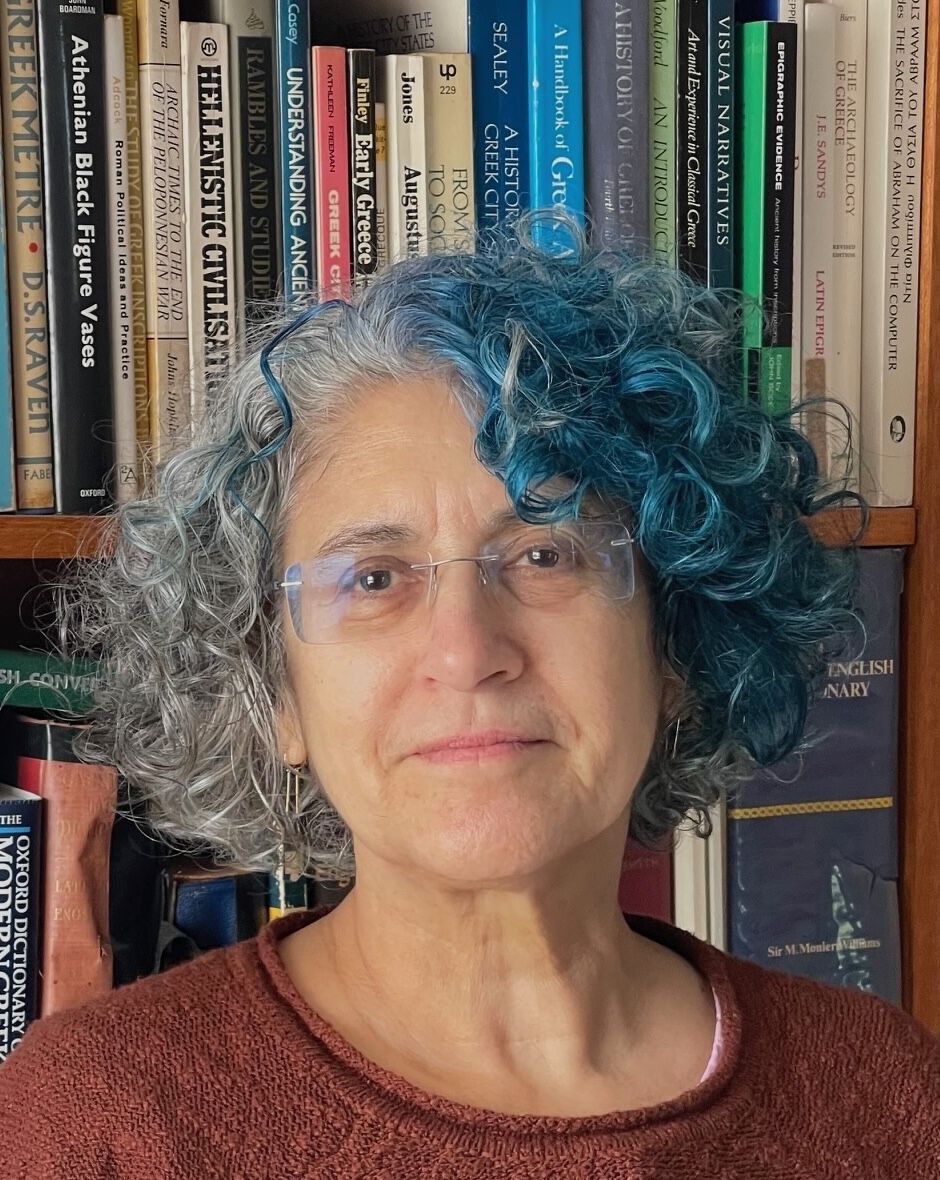
Elli Mylonas recently retired from Brown University, where she worked in several incarnations of the digital humanities groups and centres. Before that, she was one of the initial Perseus Project team, responsible for creating machine-readable texts. She has been involved with XML (and its predecessor, SGML) since the 1990s, has served on the TEI technical council and is currently a member of the EpiDoc maintenance group. She remains actively involved in digital humanities activities. Her academic background is in Classics.
Floriane Chiffoleau
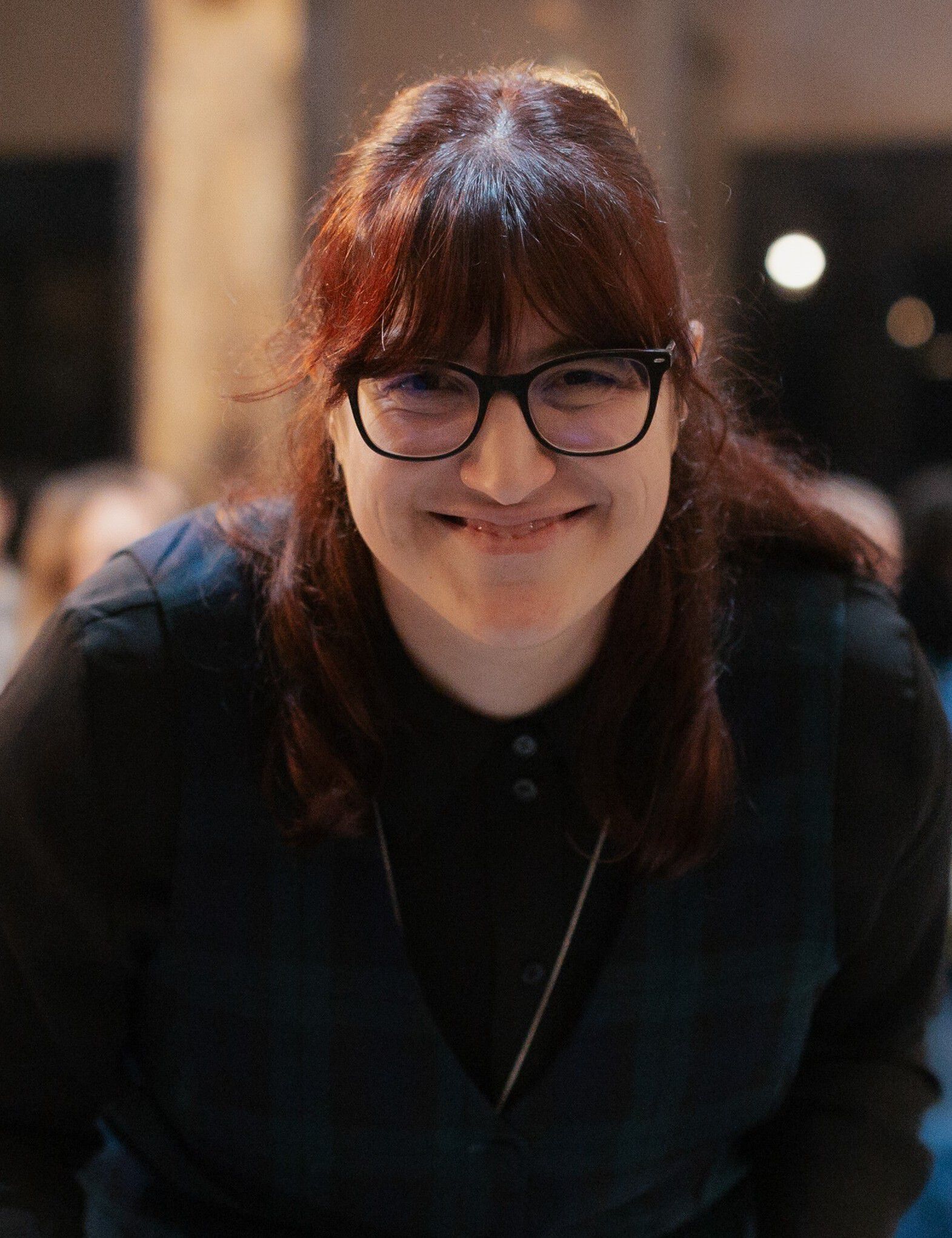
After graduating with a master's degree in late modern history and a master's degree in Digital Humanities, Floriane Chiffoleau worked at Inria as a research and development engineer on projects related to digital scholarly editions. She completed a PhD in digital humanities, with research focused on ground truth and prediction errors to understand the performance of transcription models. She is currently working as a DH engineer at the ObTIC team of Sorbonne Université, where she is responsible for the development and management of digital scholarly editions.
Roberto Rosselli DelTurco

Roberto Rosselli Del Turco is an Associate Professor at the Università degli Studi di Torino, Dipartimento di Studi Umanistici, where he teaches Germanic Philology, Old English Language and Literature, and Digital Philology. He has edited and translated the Old English poem The Battle of Maldon (Dell’Orso Editore, 2009) and is the editor of the Digital Vercelli Book, an ongoing project that aims to provide a complete edition of this important manuscript; a first edition has recently been published as an Open Access digital edition: the manuscript facsimile and selected texts are available at the URL https://www.collane.unito.it/oa/items/show/201. He is the creator and PI of the Edition Visualization Technology (EVT) project.
Chantal Pivetta
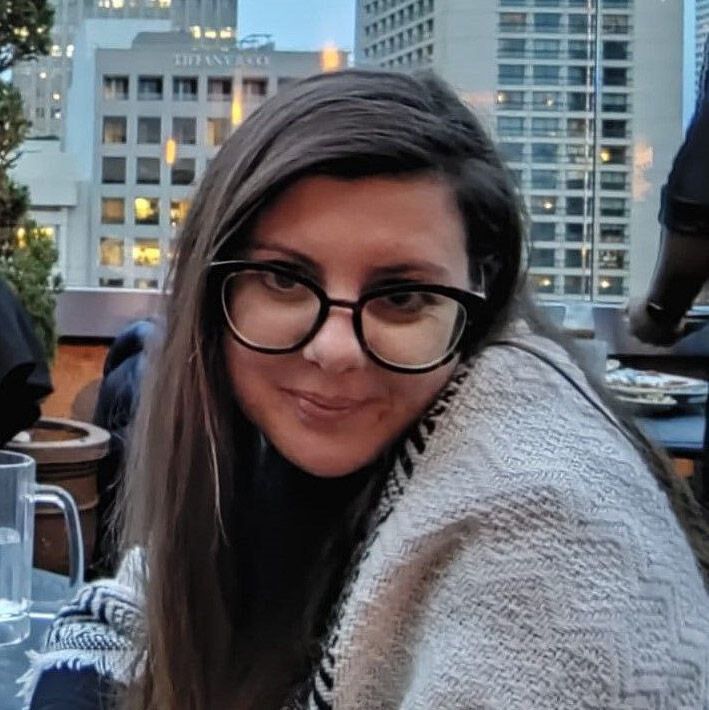
Chantal Pivetta is a doctoral candidate at Lund University (Department of Languages and Literature, SOL). She is the founder of Digital Philology for Dummies (DPhD), a platform designed to support both experts and beginners in creating and improving digital editions for collaborative and individual projects. Her research focuses on medieval Italian literature, and she is currently completing a printed critical edition of a fifteenth-century Italian text, alongside its synoptic digital edition produced with DPhD and enriched by analyses from its relational database.
She is also an external member of the CoenoBIuM project (PRIN 2022), where she formed and guided a team of transcribers and authored a coding manual to extract manuscript data to extract manuscript data useful to disciplines involved in the study of Cassinese monasteries in Italy (engineering, architectural history, art). In addition, she collaborates with SilentWave SRL as a consultant in digital philology, combining scholarly expertise with applied digital solutions.
Renato Caenaro
Renato Caenaro is the CEO and founder of SilentWave, a software company specializing in software development, IT systems, and technology consulting. With extensive experience as a digital partner for multinational companies in the field of engineering, he has, over the past five years, expanded his collaborations with universities, focusing on research and development in the Digital Humanities.
He has contributed to the creation of Digital Philology for Dummies, a platform that facilitates digital philological work for both experts and beginners, and is actively involved in philological, linguistic, and digital analysis through the use of relational databases. His work also extends to the visualization of digital scholarly editions as part of the EVT – Edition Visualization Technology development team.
Renato is an external collaborator of the CoenoBIuM project (PRIN 2022), where he serves as a technological partner in engineering, computer science, and digital humanities data. He is also a contributor to the digital library Cavalleresca Digital Editions.
Mina Monier
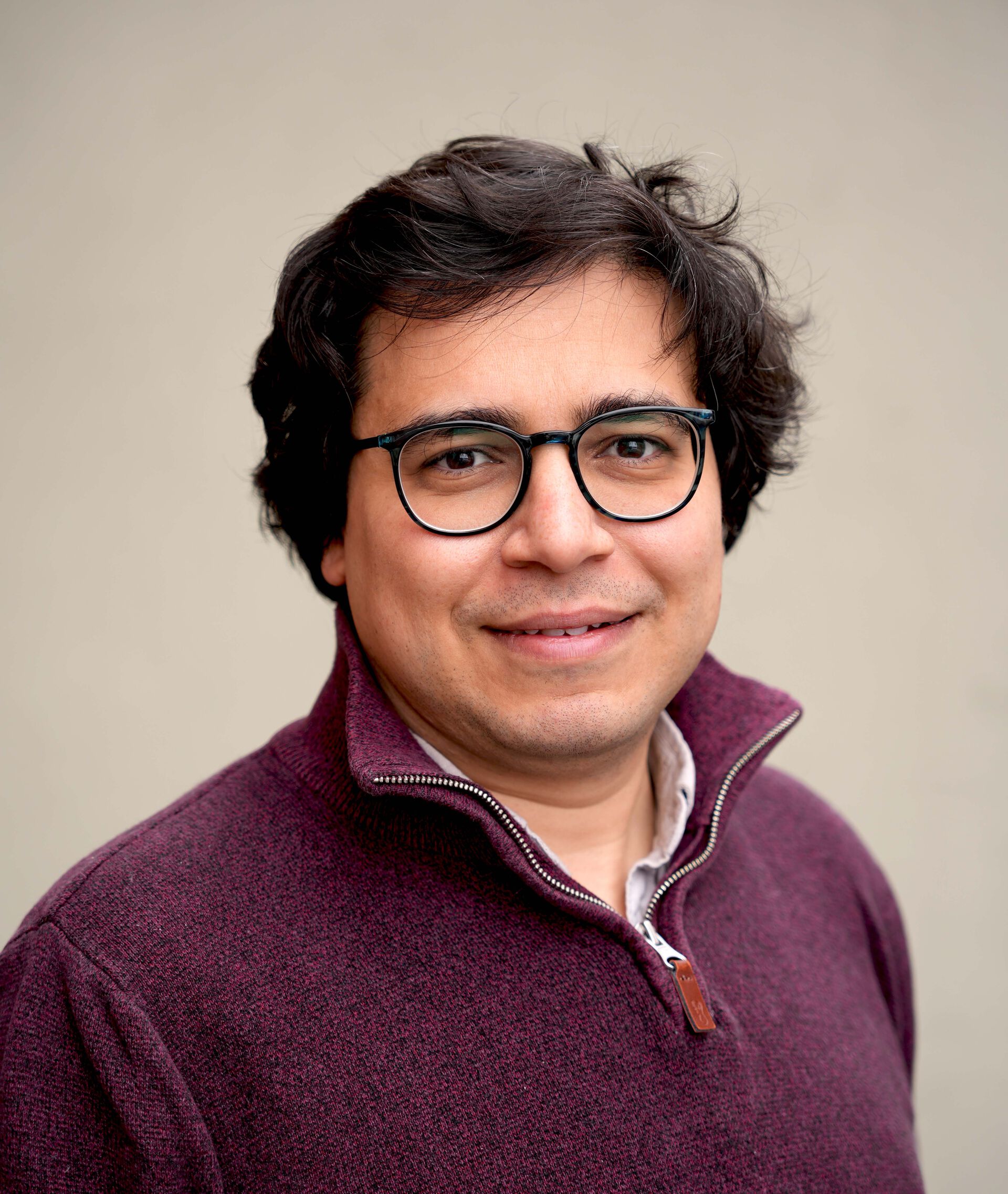
Dr. Mina Monier is a senior researcher at the MF Norwegian School of Theology, Religion, and Society. He is currently directing the MF's Lab for Manuscript Studies and Digital Research (MF L-MaSDR). Monier earned his PhD in biblical studies at King's College London, and completed a postdoctoral fellowship in Lausanne, Switzerland, as part of the MARK16 project. His objective was to epitomise the use of digital humanities tools in addressing a classic New Testament problem, which is the end of the Gospel of Mark. As of 2026, Monier will be leading a team of researchers on his new 4-year project Unconventional Gospels: A Computer–Assisted Analysis of Complex Harmonic Traditions in Newly Discovered Manuscripts. The project is funded by the Research Council of Norway, under the scheme of Young Research Talents FRIPRO (grant no. 356951). Amongst his most recent refereed publications is his monograph When Jesus Rose Early: Studies on the Text and Paratexts of Mark's Ending.
Annika Rockenberger
Annika Rockenberger is a Senior Academic Librarian at the University of Oslo Library. They hold a Ph.D. in edition philology and specialise in digital research methods, supporting researchers, graduate students, and staff through the implementation of innovative digital practices. They lead the network and skills hub BærUt! – Sustainable Digital Scholarly Editions (2024-2026). They are currently engaged in creating a digital, bilingual Danish-German edition of Ethica Complementoria & Trencherbok (1678) and the digital editions of Bernt Oscar Malling Mamen's travel diaries (1901-1955) and the unpublished manuscript Atter et år i Østen (1938).
Federico Aurora

Federico Aurora is an Academic Librarian and Curator of the Papyri collection at the University of Oslo Library. He specialises in Ancient Greek and Latin linguistics and Mycenology. Federico developed the database of Mycenean at the University of Oslo, DAMOS, and is co-convenor of the European project ENCODE - Bridging the Gap in Ancient Writing Cultures, Enhance Competences in the Digital Era.
Instructions and Setup
You will need a laptop (running any operating system) with administrative rights. A standard browser (Google Chrome, Firefox, Safari, Edge) is necessary.
Before the summer school, we will provide detailed setup and installation guides for various additional software applications.
If you encounter any issues with setup or installation, please get in touch with us as soon as possible.
Required Material
A detailed list of software requirements has been provided via email.
You must have some text to work with. The summer school has a hands-on character, and you must practice on something. Ideally, you bring a text you want to create an edition of or have already begun working with.
If you do not have a text yet, please get in touch with the summer school organisers so they can provide you with an example text.
Programme
Download the detailed program and the participants' booklet from our website (pdf).
| Time | Monday | Tuesday | Wednesday | Thursday | Friday |
|---|---|---|---|---|---|
| 09:00-12:00 |
Introduction to Summer School What is a Digital Scholarly Edition? Introduction to XML |
Encoding Standards: TEI P5, EpiDoc, Menota From MS Word and Transkribus to TEI |
Character Encoding + Unicode Standard TEI Customisation Data Archiving + Documentation |
TEIPublisher Digital Philology for Dummies Edition Visualisation Tool EVT Apparatus |
Hands-on guided practice: Virtual Research Environments and Tools |
| 12:00-13:00 | Lunch at the SV canteen | Lunch at the SV canteen | Lunch at the SV canteen | Lunch at the SV canteen | Lunch at the SV canteen |
| 13:00-16:00 | Hands-on guided practice: XML, Oxygen XML Editor, VS Code | Hands-on guided practice: TEI Guidelines, EpiDoc, Menota | Hands-on guided practice: TEI tags and structure | Hands-on guided practice: Virtual Research Environments and Tools |
XSLT for Publishing simple HTML websites Presentation of projects, Discussions and Wrap-Up |
| 18:00 | Dinner |
Victuals
We will serve hot and cold beverages & snacks during the summer school.
Lunch at Eilert Spiseri (University of Oslo canteen) is included.
About BærUt!
BærUt! is a competence hub at the University of Oslo for promoting digital scholarly editions (DSEs). Our ambition is to consolidate expertise and knowledge in the field, gather researchers and practitioners, and, in the long run, create the foundation for a common platform for digital editions. We work closely with researchers, developers, and cultural institutions to digitise historical and cultural text documents and ensure these resources are accessible and useful for academic use.
Questions?
Send an email to the BærUt! team: baerut-admin@ub.uio.no