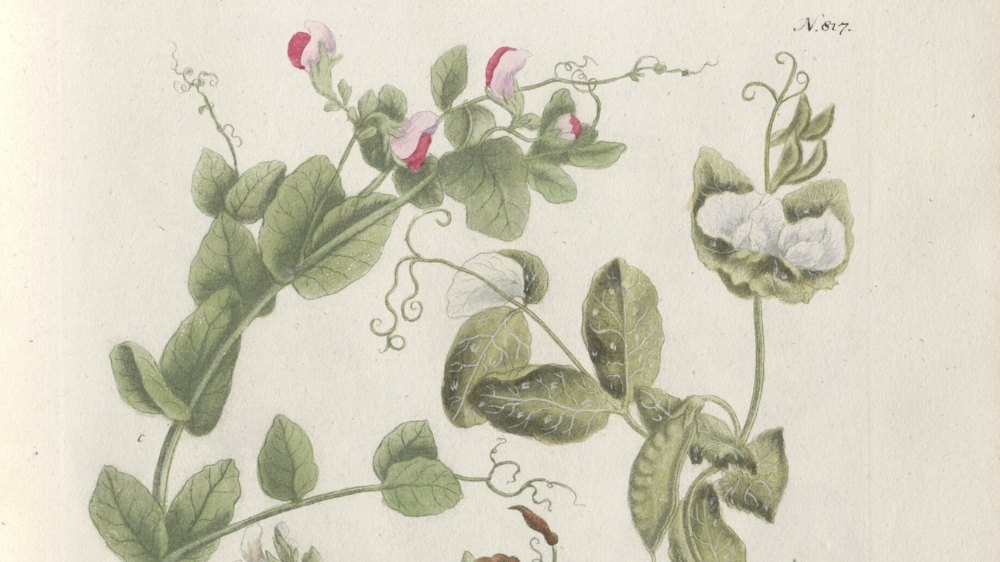
One of the library's tasks is to facilitate increased knowledge. With the Seed Library, we aim to lower the threshold for trying out urban gardening, thereby contributing to more students and staff learning about seeds, plants, and biodiversity.
How does it work?
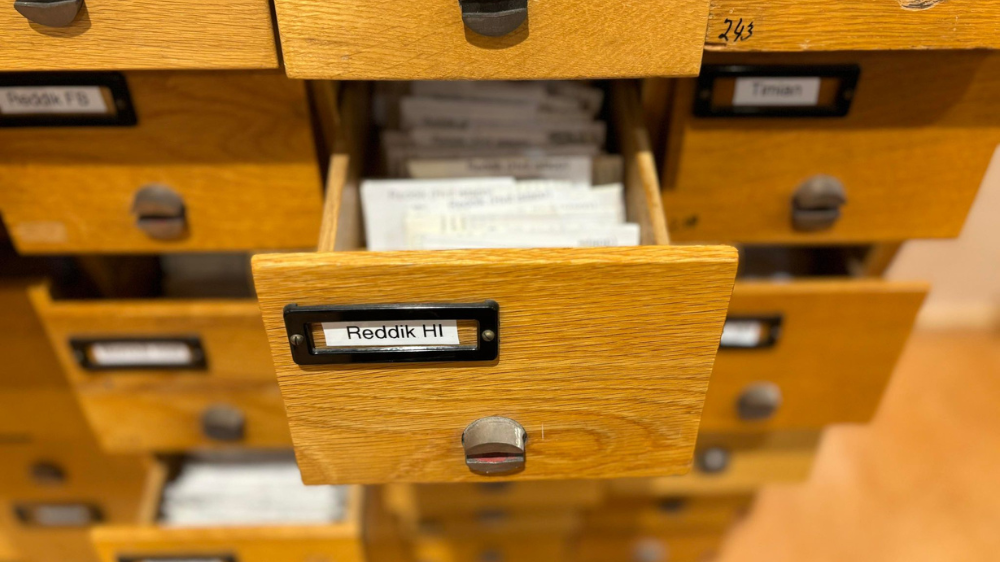
- Choose the seed packets you want (maximum of 4 per person). Feel free to take a photo of the growing instructions found in the drawer. At the Green Office in Kristian Ottosens hus, you can get soil and a pot to plant the seeds in.
- Plant and cultivate your seeds at home.
- Eat and enjoy!
- At the end of the growing season, try to harvest seeds from the plants you grow and return them to the library so that others can borrow them the following year.
- You can also donate any extra seeds you have. Place them in a coffee filter, write the plant name on it, and put it in the box marked «gavefrø».
The principle is Borrow-Grow-Harvest-Return and is based on trust. This year's seeds are organic from solhatt.no. Next year, we might also have seeds from you!
You can find the Seed Library on the ground floor of the HumSam Library in Georg Sverdrups hus.
Background of the Idea
The project is a result of the University Library's collaboration with the Green Office and follows the Library of Things initiative. Together, we have launched several measures to support UiO’s green transition and ambitious climate and environmental work. Many seed libraries (and equipment libraries) already exist in Oslo, but by making it easily accessible at the study and workplace of over 7,000 staff and 26,000 students, we hope that more people will become aware of and use these schemes that promote reduced consumption, a circular economy, and a sharing culture.